October 2021 Issue |
||||||||
 |
||||||||
IN THIS ISSUE: |
||||||||
• Subscribe to Meat Goat Mania • Email Us • Onion Creek Ranch • Bending Tree Ranch • OCR Health & Management Articles • MGM Archive |
||||||||
 |
|
|
|
|
|
|
|
|
|
|
|

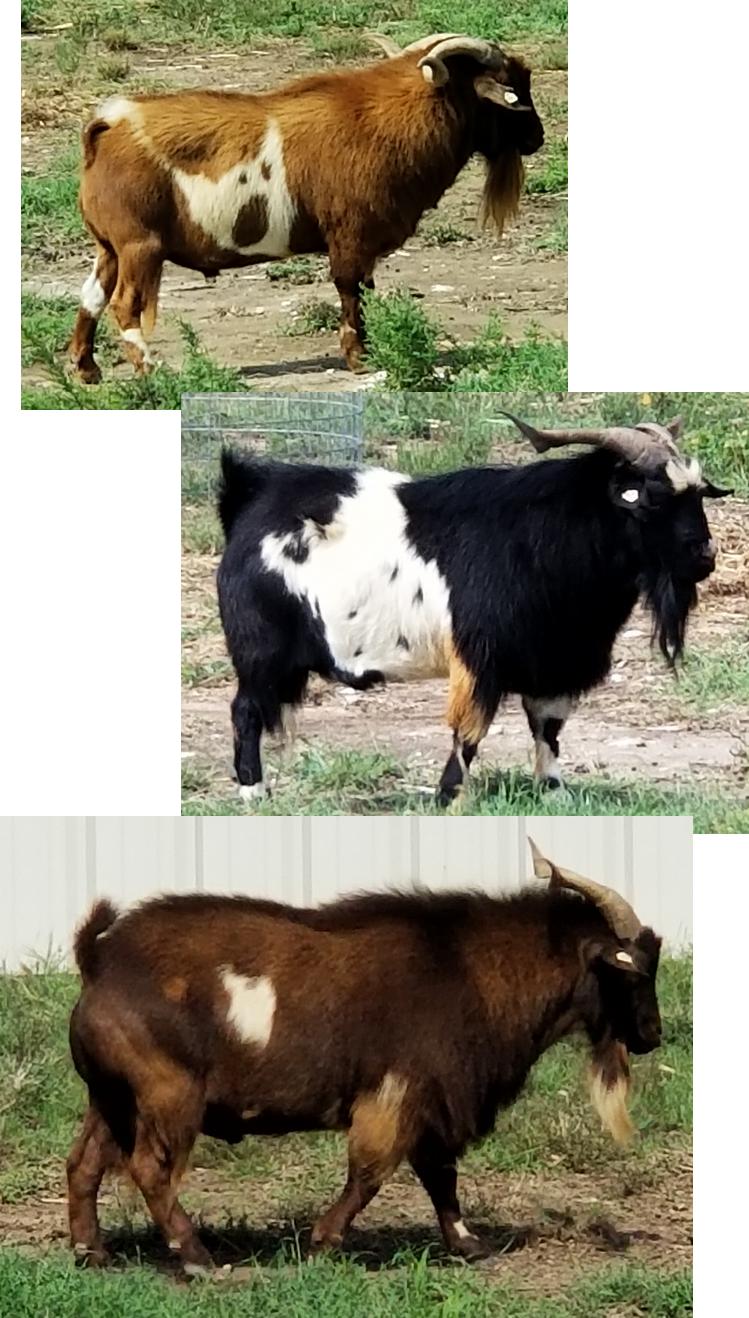
HOW BUCKS BREED Goats as a species are seasonal breeders. Does can come into heat as daylight shortens but are much more likely to cycle into estrus when cold weather arrives. Myotonics tend to be aseasonal breeders but extremes of daylight and darkness as well as other circumstances can impact their year-around breeding abilities. Bucks come into rut long before does come into heat to establish their dominance and therefore opportunity to breed. Bucks start their annual rut in late July in central Texas, and while does may exhibit false heats, true estrus occurs when the first "cold front" arrives. Breeding habits of bucks are significantly different from that of other ruminant species. Cattle breeders, for example, incorrectly assume that bucks breed like bulls. Cows come into heat year around. Does cycle in 21-day intervals that correlate with shortened hours of daylight and colder weather. A female goat's heat can last up to 36 hours, and a buck will repeatedly breed her so long as she exhibits signs of heat. Other does also in heat may get missed on this 21-day cycle. This is *not* how bulls breed cows. This is confusing to cattle folks who are transitioning to raising goats. Goats are NOT "little cattle." Goats are DEER in how they interact and mate. Goats are a small prey-prone species for whom reproduction is vital to survival, hence the intense concentration by the bucks to make sure the does they are breeding become pregnant. Multiple births add to the chance of survival, as stronger kids will live and the weaker will die. Survival of the Fittest keeps a small species strong. Cattle, being a large species, don't have these challenges. A mature buck in good health can breed a maximum 40-to-50 does, but much depends upon his nutritional health, the size and composition of the pasture in which he is breeding, the age and health of the does put with him for breeding, the length of time they are together, feed & shelter & weather conditions, and other variables. He is going to miss some of the does when they come into heat concurrent with the heat of the doe he is currently servicing. It is also possible to have the buck with the does for too long. To counter buck fatigue and missed breedings, many commercial producers run multiple bucks with their does. Remember you are raising a small ruminant species subject to predation with limitations that don't apply to much larger cattle. Cattle and goats are very different in how they approach reproduction. Since Onion Creek Ranch's first breeding season in the fall of 1990, I've not been concerned if as many as 10% of the does don't settle. I understand how bucks breed, and I am interested in quality over quantity. Quality always brings better money, even at terminal auctions. Cattle people, on the other hand, seem to believe that every single female should be bred. Goats don't breed like cattle do. Learn to THINK LIKE A GOAT ™. Suzanne W. Gasparotto, ONION CREEK RANCH, Texas 10.1.21 |
Subscribe FREE now! Monthly issues with new articles and other educational information on meat goat health, nutrition, and management written by Suzanne W. Gasparotto of Onion Creek Ranch and Pat Cotten of Bending Tree Ranch. In all cases, it is your responsibility to obtain veterinary services and advice before using any of the information provided in these articles. Neither Suzanne Gasparotto nor Pat Cotten are veterinarians. None of the contributors to this website will be held responsible for the use of any information contained herein. |
||||||||||||||||||||||||||||||||||||||||||||||||||||||||
|
|||||||||||||||||||||||||||||||||||||||||||||||||||||||||
 |
|||||||||||||||||||||||||||||||||||||||||||||||||||||||||
|
I am often asked to explain how I feed my bucks. The question intially puzzled me, because I feed my bucks the same pelleted feed and hay which I offer to my does, taking into account their age and weight and the nutrition offered in my pastures. Then I realized that people are concerned about causing urinary calculi. There is much incorrect information offered about Urinary Calculi. The condition is mis-named. Urinary Calculi is NOT caused by too much calcium. Urinary Calculi is the result of too much phosphorus in relation to calcium. There must be at least a two to one (2:1) calcium to phosphorus in feed, and three-to-one calcium to phosphorus is often better. Phosphorus is too high for goats in areas where chickens are raised (Arkansas, for example). Chicken litter is used as fertilizer, raising the phosphorus content of hay and plant materials, resulting in Urinary Calculi if you don't take corrective measures like adding calcium carbonate to the daily feed ration. Alfalfa does NOT cause urinary calculi in bucks. However, feeding too much protein ("hot" feed) to both bucks and does can cause laminitis-founder, bloat, and/or ruminal acidosis. Goats layer fat, like deer and humans; they don't marble fat throughout the meat like cattle. Over-feeding/ improper feeding wastes money, puts layers fat around internal organs, causes kidding problems (in females), and you don't get paid for the fat at point of sale. Getting nutrition right is the hardest thing for goat raisers to do. See my articles on this topic on the Articles page at www.tennesseemeatgoats.com. Suzanne W. Gasparotto, ONION CREEK RANCH, Texas 10.1.21 |
|||||||||||||||||||||||||||||||||||||||||||||||||||||||||
|
|
|
|
|
|
|
|
|
|
|
|||||||||||||||||||||||||||||||||||||||||||||||



|
|||||||||||||||||||
|
|
|
|||||||||||||||||


|
||||||||||||||||||||||||||||||||||||||||||||||||||||||||||||||||||||||||||||||||||||||||||||||||||||||||||||||||||||||||||||||||||||||||||||||||||||||||||||||||||||||||||||||||||||||
|
|
|
||||||||||||||||||||||||||||||||||||||||||||||||||||||||||||||||||||||||||||||||||||||||||||||||||||||||||||||||||||||||||||||||||||||||||||||||||||||||||||||||||||||||||||||||||||

|
||
|
|
|
|
||||||||||||||||||||||||||||||||||||||||||||||||||||
|
|
|
||||||||||||||||||||||||||||||||||||||||||||||||||

