December 2025 Issue |
||||||||
 |
||||||||
• Subscribe to Meat Goat Mania • Email Us • Onion Creek Ranch • Bending Tree Ranch • OCR Health & Management Articles • MGM Archive |
||||||||
 |
|
|
|
|
|
|
|
|
|
|
|

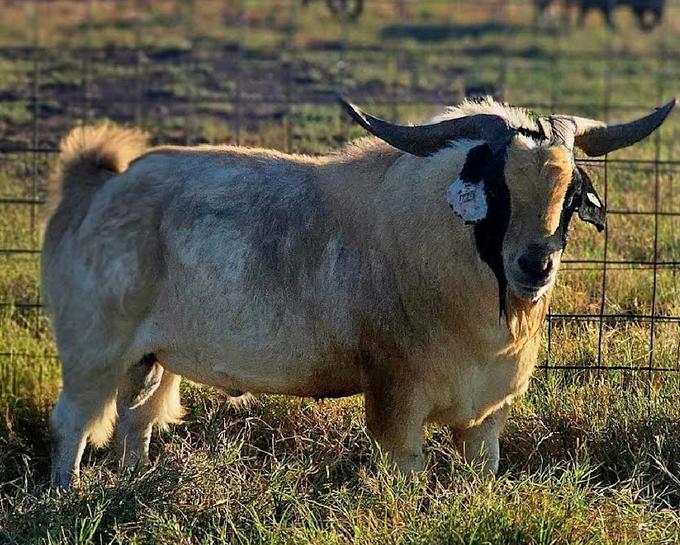
RAISING GOATS SUCCESSFULLY Take a close look at yourself and your operation. Decide if you are going to be a hobbyist or a market-oriented producer. If you choose to raise goats commercially, research your market BEFORE you buy your first goat. Find out the demand (or lack thereof) for goats in your area, then breed for that market. If your market is production animals for meat or raising herd sires/dams, don't solicit advice from goat raisers outside these fields. Show-goat producers manage and feed very differently from other breeders, for example. Applying their techniques to your herd will result in serious health problems for your goats and negatively affect your bottom line. Find a goat breed that fits your climate as well as your goals. Goats are primarily dry climate animals (under 25 inches of rainfall per year), but some breeds seem to be less adaptable than others to different climatic conditions. Example: Boers were developed for living in the hot and dry climate of the African veld and have reportedly encountered serious health and adaptability issues in many wet areas of the USA. Goats are picky eaters because they have easily-upset digestive systems. They have an 11-14 hour rumen passage rate, so whatever they eat must be easily digestible. Goats need a wide variety of high-quality forage/browse. Learn how to feed them properly. Protein is only one element of a feed ration. Long fiber is essential to rumen function. Calcium-to-phosphorus ratios are critical. Copper, selenium, zinc, and thiamine (Vitamin B-1) are but a few of the important minerals and vitamins essential to goat health and reproduction. Don't breed large-breed males to medium or small-breed females. Don't breed does too young or too soon after kidding. Learn from the mistakes made by breeders of other species of livestock and apply that information to your breeding program. Take the time to locate sources of help so you can contact them when you need it. While often difficult to find, a good goat vet is essential. Many medications are now prescription-only, so establishing a veterinary relationship is vital. Meat-goat discussion groups on the Internet used to be valuable sources of information, but that has changed and most of the information provided is wrong or incomplete, even from sites supposedly being run by “goat vets.” Best sources include finding a mentor, attending GoatCamp™ at Onion Creek Ranch north of Austin, Texas, every October, and applying for a Kidding Internship at Onion Creek Ranch during March-May each year. Suzanne Gasparotto of Onion Creek Ranch offers a consultation service for a modest annual fee and serves as a mentor to many goat raisers. Email her for details at onioncrk@centex.net. Medications and other animal health supplies must be purchased and be on site before you need them. You won't have the luxury of time to find them when an emergency arises. Goats are not sheep or "little cattle." Almost everything about goats is unique. Learn about goats before you kill some of them through mis-management. You cannot successfully raise them without living where they are located or by managing them as if they were other species. Goats are DEER in how they live and interact with other goats. Overcrowding leads to heavy barberpole worm loads and stress that negatively affect health. Determine the proper fencing and pens needed for your location, management style, climate, and breeds of goats being raised. One size does not fit all. Fencing materials that make good pens and working traps are different from pasture fencing. Livestock guardian animals are mandatory. Goats are a prey-prone species. I much prefer livestock guardian dogs, specifically Anatolian Shepherds, but each producer should research predators in his area and purchase livestock guardian animals that fit his needs and his budget. Donkeys and llamas are sometimes utilized, although dogs work better because they will fight predators. Do not rely on registries as proof that you bought a quality goat. That just is not true. The real function of registries is to record pedigrees.. . . . sire, dam, grand-sire, grand-dam, date of birth, number in litter, sex, and tattoo or other identification methods. Registration does NOT mean that the goat is a quality animal. Genetics can be a "crap-shoot" and is only one of many factors that makes a quality goat. Do your home work BEFORE you begin raising goats. If you don't, goats will die unnecessarily due to your lack of knowledge and preparedness and you will lose money. SUZANNE W GASPAROTTO, ONION CREEK RANCH, TEXAS 12.1.25 |
||||||||||||||||||||||||||||||||||||||||||||||||||||||||||
|
||||||||||||||||||||||||||||||||||||||||||||||||||||||||||
|
|
|
|
|
||||||||||||||||||||||||||||||||||||||||||||||||||||||


|
||||||||||||||||
|
|
|
||||||||||||||


 |
||
|
|
|
|
||||||||||||||||||||||||||||||||||||||||||||||||||||||||||||||||||||||||||||||||||||||||||||||||||||||||||||||||||||||||||||||||||||||||||||||||||||||||||||||||||||||||||||||||||||||||||||||||||||||||||||||||||||||||||||||||||||||||||||||||||||||||||||||||||||||||||||||||||||||||||||||||||||||||||||||||||||||||||||||||||||||||||||||||||||||||||||||||||||||||||||||||||||||||||||||||||||||||||||||||||||||||||||||||
|
|
|
||||||||||||||||||||||||||||||||||||||||||||||||||||||||||||||||||||||||||||||||||||||||||||||||||||||||||||||||||||||||||||||||||||||||||||||||||||||||||||||||||||||||||||||||||||||||||||||||||||||||||||||||||||||||||||||||||||||||||||||||||||||||||||||||||||||||||||||||||||||||||||||||||||||||||||||||||||||||||||||||||||||||||||||||||||||||||||||||||||||||||||||||||||||||||||||||||||||||||||||||||||||||||||||



|
||
|
|
|
|
||||||||||||||||||||||||||||||||||||||||||||||||||||
|
|
|
||||||||||||||||||||||||||||||||||||||||||||||||||